When Should You Choose Gurney Transportation Instead of Standard Medical Transport?
Getting a loved one to a hospital appointment, a nursing home, or back home after a hospital stay can feel stressful, especially when they can't sit upright on their own. This is where knowing your transport options matters. Many families default to calling a wheelchair van or a regular ride service, only to realize the patient truly needed something more supportive. Understanding gurney transportation, how it differs from standard medical transport, and when each one is the right call can save you time, stress, and most importantly, keep your loved one safe.
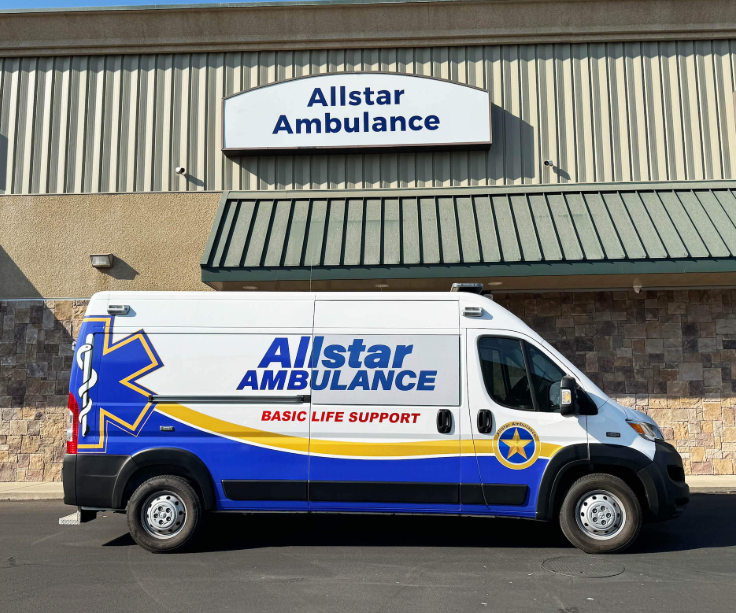
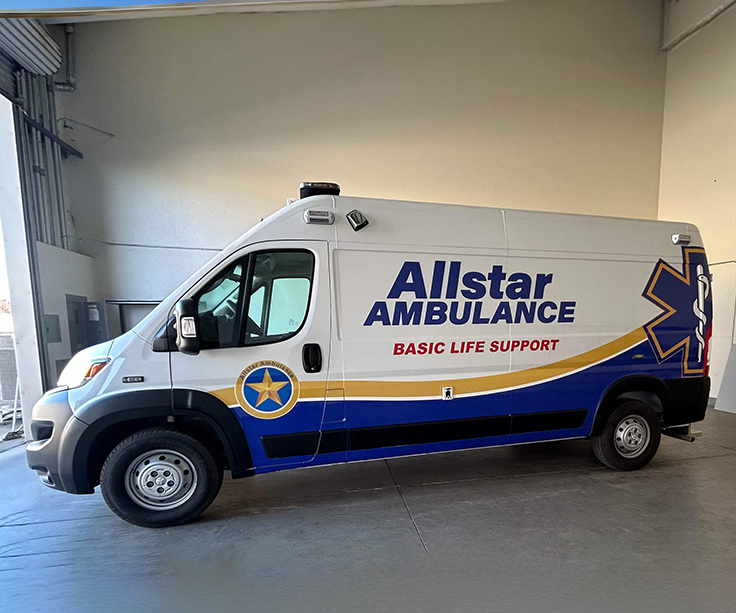
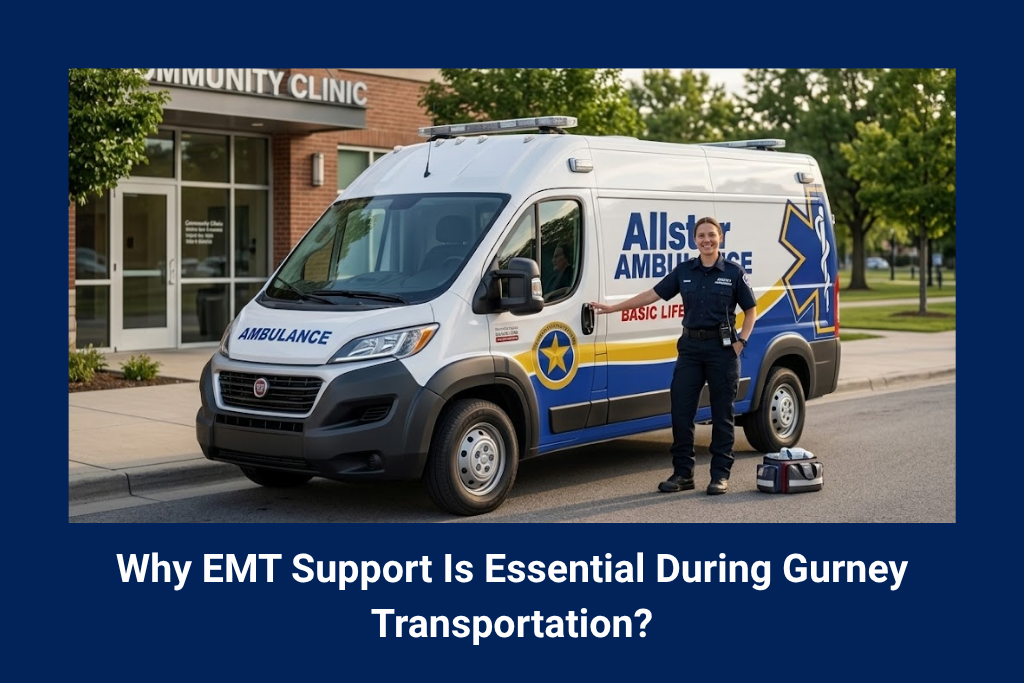
At Allstar Ambulance, a locally owned and operated Basic Life Support (BLS) and Interfacility Transport (IFT) provider based in Modesto, Stanislaus County, we help families and healthcare facilities make this decision every day. Here's what you need to know before you book a ride.
What Is Gurney Transportation?
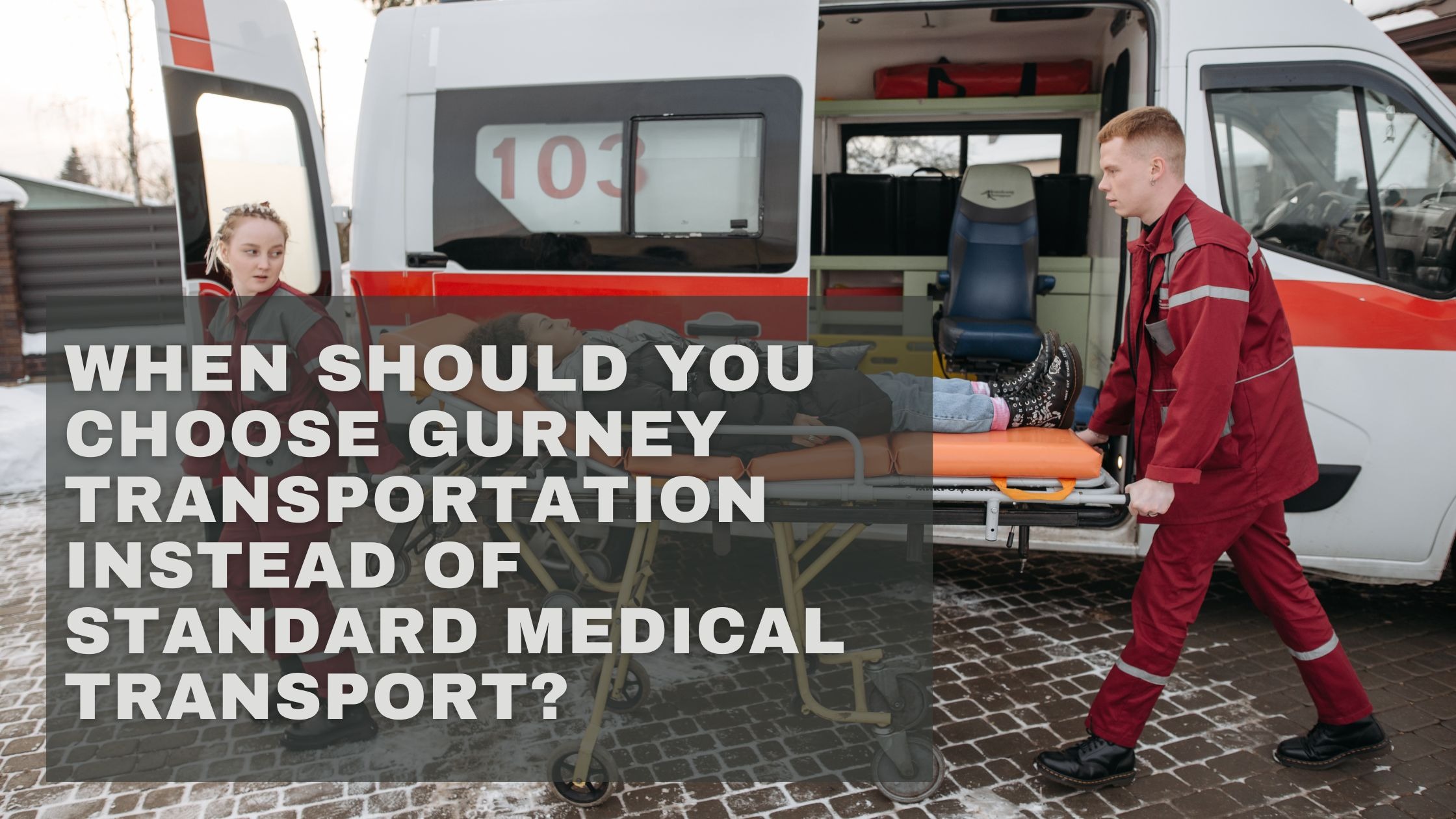
Gurney transportation is a specialized form of non-emergency medical transportation designed for patients who cannot sit upright during travel. Instead of transferring into a wheelchair or a regular vehicle seat, the patient remains lying flat or in a reclined position on a wheeled medical bed that is secured inside a specially equipped vehicle.
This type of transport is typically used for:
- Patients recovering from major surgery who must stay horizontal
- Bedridden or non-ambulatory patients
- Individuals with severe wounds, pressure ulcers, or spinal issues
- Hospice and end-of-life care patients
- Hospital-to-hospital or hospital-to-nursing-home transfers
- Patients being discharged who cannot tolerate sitting for the ride home
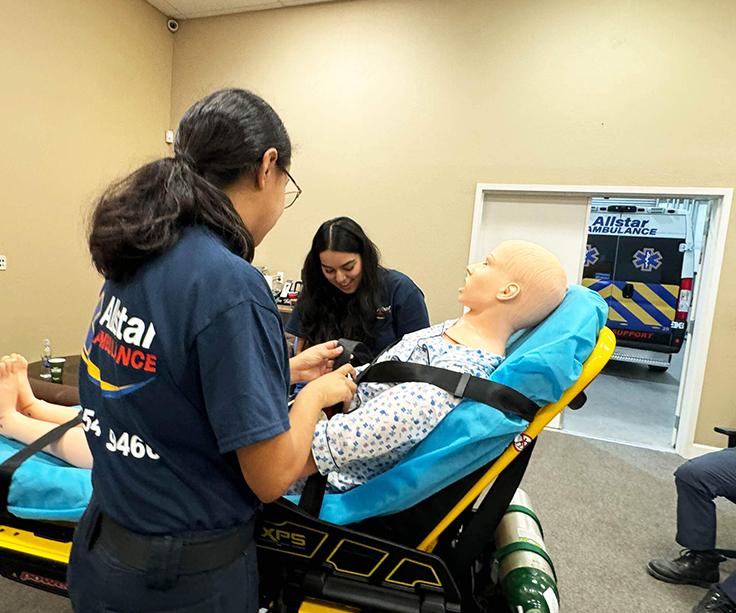
Trained EMTs assist with bed-to-bed transfers, secure the patient safely on the gurney, and monitor them throughout the trip.
What Is Standard Medical Transport?
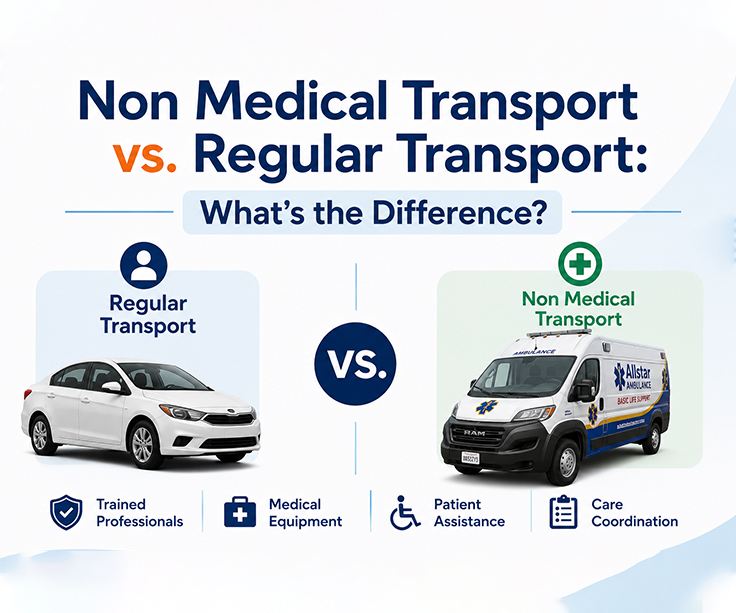
Standard medical transport services generally refer to transportation for patients who are ambulatory or can safely sit upright, either in a wheelchair or a regular seat. This includes routine trips like:
- Doctor's appointments
- Dialysis visits
- Physical therapy sessions
- Outpatient procedures where the patient can walk or transfer independently (or with minor assistance)
Standard transport is more common, more affordable, and works well for the majority of non-emergency trips. But it isn't built to support patients who need to remain lying down or who require constant medical monitoring during the ride.
What Is the Difference Between a Gurney and a Stretcher?
This is one of the most common questions we get, and understandably so, since the terms are often used interchangeably.
- A stretcher is a simple, lightweight, portable frame, often made of fabric stretched over aluminum or plastic poles. It requires manual lifting, usually by two people, and is commonly used in emergency or field settings like ambulances, battlefields, or wilderness rescues.
- A gurney is essentially a wheeled, height-adjustable version of a stretcher. It has locking wheels, side rails, and can often be raised, lowered, or reclined. Because it moves on wheels, a single trained attendant can maneuver it, making it far easier to use for hallways, parking lots, and vehicle-loading transfers.
In short: every gurney is a type of stretcher, but not every stretcher is a gurney. In the context of stretcher transport services, "stretcher" and "gurney" are frequently used to mean the same thing: a patient transported lying down in a specially equipped medical vehicle.
When Should You Choose Gurney Transportation Instead of Standard Transport?
Here are the clearest signs that gurney transportation is the safer, more appropriate choice:
1. The patient cannot sit upright. If sitting causes pain, puts pressure on a wound, or isn't medically advised after surgery, a gurney keeps them safely reclined for the entire trip.
2. The patient is bedridden or has very limited mobility. Transferring a bedridden patient into a wheelchair or car seat can be risky for both the patient and caregivers. Gurney transport allows a smooth bed-to-bed transfer instead.
3. The patient has a medical condition requiring constant monitoring. Patients who need vital sign checks, oxygen support, or close observation during transit benefit from the trained EMTs who accompany gurney transports.
4. The trip is longer or the patient tires easily. Long-distance transfers, such as hospital-to-hospital transports, are much more comfortable and safer on a gurney than in a seated position.
5. The patient has wounds, fractures, or post-surgical restrictions. Any condition where movement or pressure could cause harm calls for the extra stability and support a gurney provides.
If none of these apply and the patient can safely sit and transfer on their own or with minimal help, standard non-emergency medical transport is usually sufficient and more cost-effective.
Why Patient Safety During Transport Matters So Much?
Choosing the right transport option isn't just about comfort, it's about patient safety during transport. Moving a patient incorrectly, or using a vehicle and equipment that don't match their medical needs, can lead to falls, worsened injuries, or medical complications along the way.
Professional gurney and stretcher transport services reduce these risks through:
- Trained EMTs who understand proper lifting, securing, and transfer techniques
- Vehicles built specifically for stretcher and gurney loading, with secure locking systems
- Continuous monitoring during the trip, especially important for post-surgical or fragile patients
- Proper equipment, including side rails, safety straps, and adjustable positioning
This is exactly why families and healthcare facilities across Stanislaus County trust Allstar Ambulance. Our EMTs are trained to assess each patient's condition and recommend the safest transport option, whether that's a gurney, a stretcher, or standard transport.
How to Prepare for Gurney or Standard Medical Transport?
A little preparation goes a long way toward making transport day smooth and stress-free:
- Share complete medical information. Let the transport team know about the patient's diagnosis, mobility level, medications, and any special equipment (oxygen, IV lines, catheters, etc.).
- Confirm pickup and drop-off details in advance. Double-check addresses, appointment times, and whether stairs or elevators are involved.
- Have paperwork ready. Insurance information, discharge papers, and physician orders can help avoid delays.
- Dress the patient comfortably. Loose, easy-to-manage clothing makes transfers easier and more comfortable.
- Ask questions ahead of time. If you're unsure whether your loved one needs a gurney or standard transport, get in touch with our team and describe their condition. A good provider will help you decide.
- Plan for the return trip too, especially after procedures where the patient may be groggy, in pain, or unable to sit up right away.
Why Choose Allstar Ambulance?
Allstar Ambulance is a locally owned and operated BLS and IFT provider headquartered in Modesto, Stanislaus County. Our team of skilled EMTs is committed to fast response times, expert care, and a genuine connection to the community we serve. Whether you need hospital transfers, nursing home transport, or private home medical transport, we're here when it matters most.
We take the guesswork out of choosing between gurney transportation and standard medical transport by assessing each patient's needs and matching them with the safest, most comfortable option available.
Frequently Asked Questions
1. What is the difference between a gurney and a stretcher?
A stretcher is a lightweight, portable frame that requires manual lifting, while a gurney is a wheeled, height-adjustable version with locking wheels and side rails. In everyday use, both terms often refer to the same type of lying-down patient transport.
2. How do I know if my family member needs gurney transportation instead of standard transport?
If the patient cannot sit upright, is bedridden, has recent surgery restrictions, or needs continuous monitoring during travel, gurney transportation is typically the safer choice. If they can sit and transfer with little assistance, standard non-emergency medical transport usually works well.
3. Is gurney transportation the same as an ambulance ride?
Not necessarily. Gurney transportation through a non-emergency medical transportation provider like Allstar Ambulance is for stable patients who need to travel lying down but aren't experiencing a medical emergency. It's a scheduled, non-emergency service rather than an emergency ambulance dispatch.
4. What does patient safety during transport actually involve?
It includes proper securing of the patient on the gurney or stretcher, trained EMTs handling transfers correctly, continuous monitoring of the patient's condition, and using a vehicle equipped for safe loading and travel.
5. Does insurance cover gurney or stretcher transport?
Coverage varies by insurance provider and the medical necessity of the transport. It's best to check with your insurance company and ask your transport provider what documentation may be needed.
6. How far in advance should I schedule medical transport?
For non-emergency trips like hospital discharges, appointments, or facility transfers, it's best to schedule at least 24-48 hours in advance whenever possible, though many providers, including Allstar Ambulance, can accommodate urgent requests.
Need Reliable Medical Transport in Stanislaus County?
Whether your loved one needs gurney transportation, stretcher transport, or standard non-emergency medical transport, the team at Allstar Ambulance is ready to help. Our experienced EMTs will assess your situation and recommend the safest option, so you don't have to guess.
Call us today at (209) 554-9466 or email info@allstarambulance.com to schedule a transport or ask any questions. You can also visit our contact page to reach us directly.