Non Medical Transport vs. Regular Transport: What's the Difference?
Non Medical Transport vs. Regular Transport: What's the Difference?
When most people think about getting from point A to point B, they think of rideshares, taxis, or a family member's car. But for patients recovering from surgery, seniors with mobility challenges, or individuals requiring ongoing dialysis treatments, the question of transportation becomes far more complex. Understanding the difference between medical transport and regular transport isn't just a matter of convenience; it can directly affect patient safety, comfort, and health outcomes.
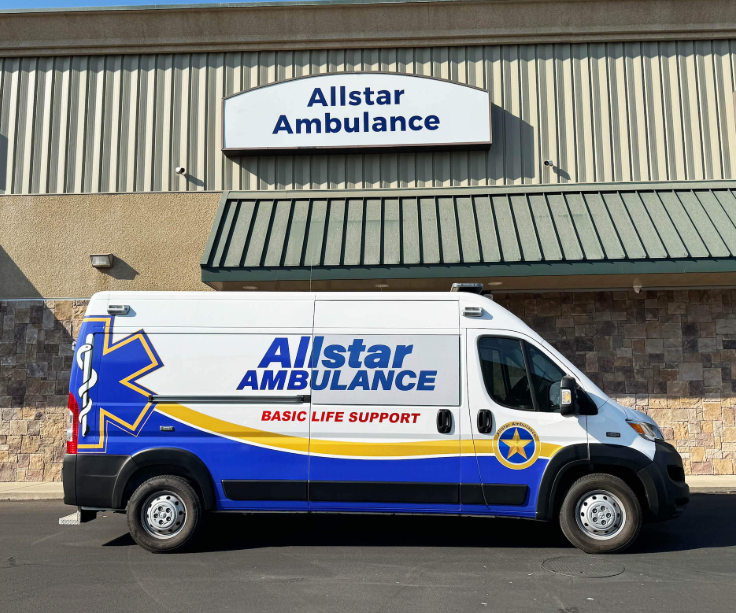
At Allstar Ambulance, a locally owned and operated BLS and IFT provider headquartered in Modesto, Stanislaus County, we've helped countless patients and families navigate this decision. Here's everything you need to know.
What Is Regular Transport?
Regular transport refers to standard vehicles and services taxis, rideshares like Uber or Lyft, personal vehicles, or public transit designed solely to move people from one location to another. These services are perfectly suited for healthy individuals running errands, commuting to work, or heading to the airport.
However, regular transport has serious limitations when it comes to medical needs. Drivers are not trained in emergency response or patient care. Vehicles are not equipped with medical-grade equipment. There's no capacity to assist with mobility aids like wheelchairs or stretchers. And critically, if a health event occurs during the ride, there is no protocol in place to respond.
What Is Non Emergency Medical Transportation (NEMT)?
Non-emergency medical transport (NEMT) is a specialized transportation service designed for patients who need medical-level assistance during transit but do not require an emergency ambulance response. This is one of the most misunderstood categories in healthcare logistics.
NEMT fills a vital gap: patients who are medically stable but still need monitored, professionally assisted transport. Think of the senior who needs to attend a weekly dialysis appointment but can no longer drive. Or the patient being discharged from the hospital who requires a stretcher to ride comfortably due to a recent surgery. Or the nursing home resident being transferred to a specialist's office across town.
These individuals don't need sirens and emergency intervention but they absolutely cannot safely travel in a standard vehicle without trained support.
Key Differences Between Non-Medical Transport and Regular Transport
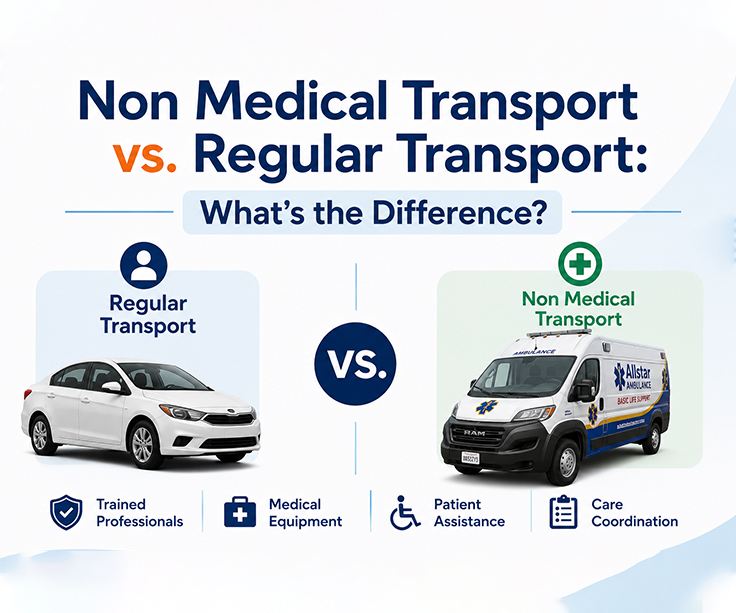
The difference between medical transport and regular transport goes beyond the vehicle itself. Here's a side-by-side comparison:
Training & Certification: Regular transport drivers have a standard driver's license. Medical transport crews, such as NEMTs at Allstar Ambulance, hold certifications in Basic Life Support (BLS), patient assessment, and emergency protocols.
Equipment: Regular vehicles carry nothing beyond standard safety features. NEMT vehicles are stocked with oxygen, first aid supplies, stretchers, wheelchair securement systems, and communication tools for coordinating with receiving facilities.
Patient Assistance: NEMT staff are trained to safely transfer patients, assist with mobility limitations, and monitor vital signs when required. A rideshare driver has none of this capability.
Documentation & Coordination: Medical transportation services maintain patient transport records, communicate with healthcare facilities. Regular transport has no connection to your care team.
Specialized Configurations: Non- Medical transport vehicles can accommodate stretcher transportation, bariatric needs, and complex mobility situations that would be physically impossible in a standard car or van.
What Are BLS Transport Services?
BLS transport services (Basic Life Support) represent a tier of medical transportation that goes beyond simple patient movement. BLS-certified transport teams are equipped and trained to provide basic emergency care if needed including CPR, oxygen administration, and vital sign monitoring even when the transport itself is non-emergency in nature.
BLS transportation for stable patients is ideal for individuals who are medically stable but could potentially experience a change in condition during transit. For example, a patient with a cardiac history being transferred between facilities should have BLS-level coverage as a precaution, even if they feel fine at the time of transport.
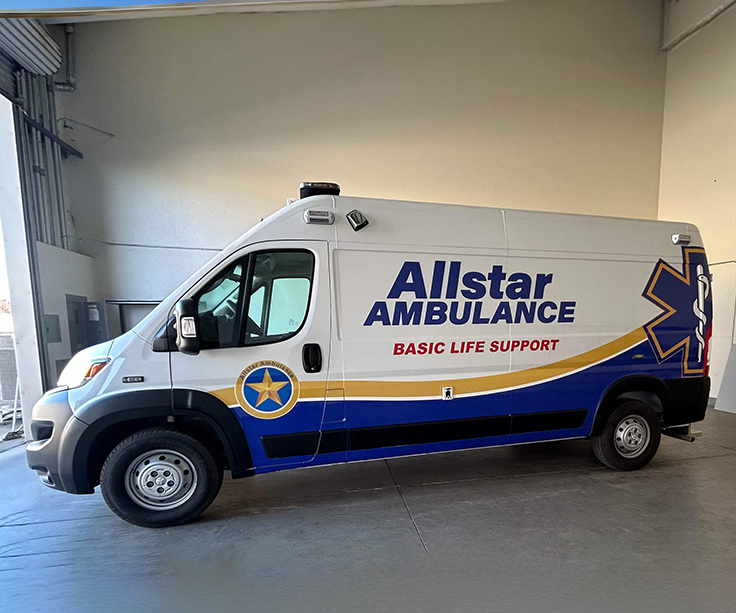
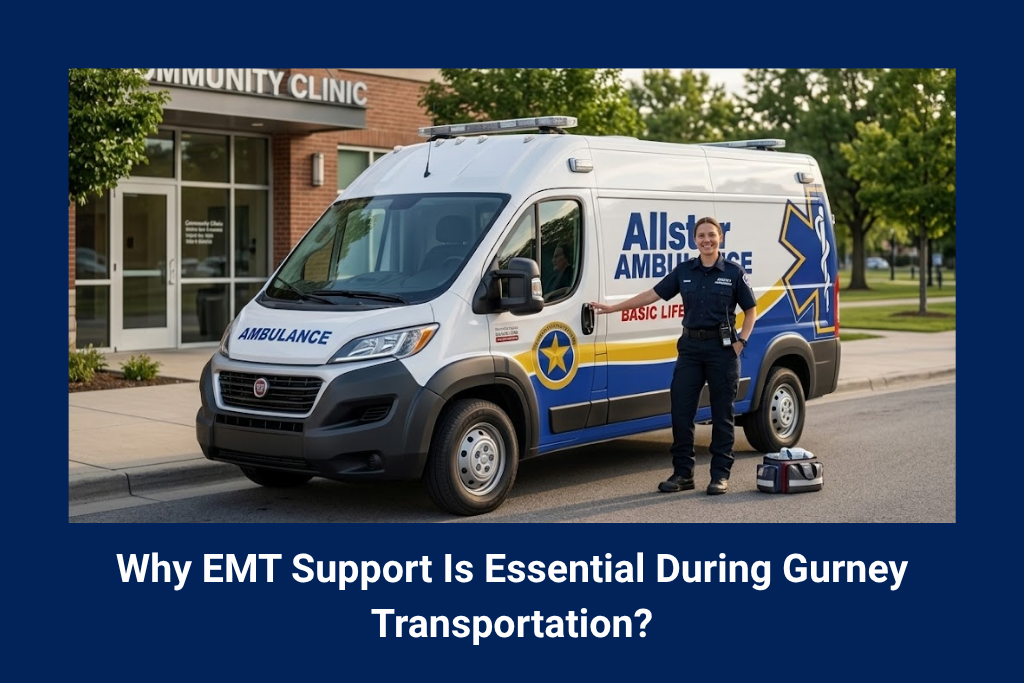
At Allstar Ambulance, every transport is staffed by skilled EMTs who are BLS-certified. This means patients and families have peace of mind that if anything were to change during the ride, trained professionals are right there to respond.
Understanding Interfacility Transport (IFT)
Interfacility Transport (IFT) refers specifically to the transfer of a patient between two medical facilities such as from a hospital to a rehabilitation center, from an urgent care clinic to a hospital, or from a skilled nursing facility to a specialist's office.
Interfacility patient transport services require a higher degree of coordination than simple point-to-point NEMT. The transporting crew must communicate with both the sending and receiving facilities, ensure continuity of care documentation, and sometimes manage IV lines or other medical equipment that was in place at the originating facility.
This is a core service at Allstar Ambulance. Whether a patient is moving from a Modesto hospital to a rehabilitation center in the area, or transferring between nursing homes within Stanislaus County, our team handles the coordination professionally and with full respect for patient dignity.
Non Emergency Medical Transportation for Seniors
Among all populations served by NEMT, seniors are perhaps the most significant group. Aging brings a host of mobility challenges, chronic conditions, and transportation barriers that make routine medical appointments a logistical struggle.
Non emergency medical transportation for seniors addresses issues like:
- Mobility limitations ~ Many seniors require wheelchair-accessible vehicles or stretcher transport due to fall risk, joint conditions, or post-surgical recovery.
- Cognitive support ~ Seniors with dementia or cognitive decline benefit from trained staff who understand how to communicate calmly and keep patients comfortable.
- Chronic condition management ~ Regular appointments for dialysis, chemotherapy, wound care, or physical therapy are essential to senior health. Missing these due to lack of transportation has serious consequences.
- Safety during transit ~ A senior with a heart condition or diabetes should not be riding in an unequipped rideshare vehicle. The risk of an in-transit event is real, and BLS-trained crews can respond appropriately.
For families in Stanislaus County, Allstar Ambulance provides a dependable, compassionate solution for senior medical transportation that doesn't compromise on safety or dignity.
Stretcher Transportation: When It's Necessary
Not every patient can sit upright in a standard vehicle seat. Stretcher transportation is necessary for patients who must remain recumbent (lying flat) due to their medical condition whether from a recent surgery, severe pain, spinal injuries, or end-of-life care situations.
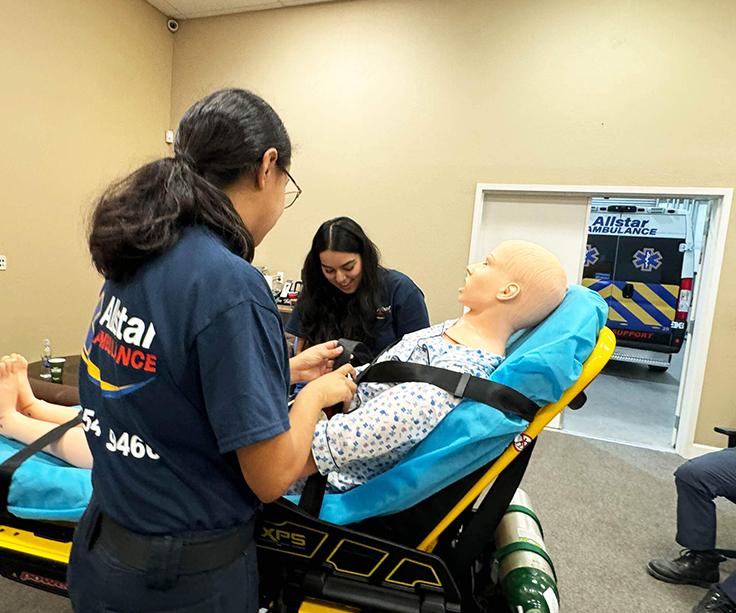
Stretcher-capable NEMT vehicles are specially designed to accommodate a cot or gurney securely, with space for an attendant to monitor the patient throughout the journey. This is a level of service simply unavailable through any regular transportation provider.
If your loved one requires stretcher transport for an upcoming appointment or facility transfer in the Modesto or Stanislaus County area, Allstar Ambulance is equipped to help.
Benefits of Professional Non Medical Transportation Services
Beyond emergency care situations, the benefits of professional non-medical transportation services are wide-ranging:
Reliability: Medical transport providers operate on scheduled runs and coordinate directly with healthcare facilities, eliminating the uncertainty of rideshares that may cancel or be delayed.
Safety: BLS-certified crews, properly equipped vehicles, and patient-focused protocols make every trip significantly safer than standard transport.
Dignity and Comfort: Trained staff know how to handle patients with respect, reducing anxiety and ensuring comfortable positioning throughout the journey.
Continuity of Care: Medical transport providers communicate with care teams, maintain documentation, and ensure the patient's health information travels with them.
Family Peace of Mind: When a family member can't always be available to drive a senior or recovering patient to appointments, NEMT provides a trusted professional alternative.
Non-Emergency Patient Transportation in Stanislaus County
For residents of Stanislaus County, finding reliable non-emergency patient transportation close to home is important. Local providers understand the area's medical landscape, the hospitals, rehabilitation centers, dialysis clinics, and specialist offices that patients regularly need to reach.
Allstar Ambulance is proud to be rooted in this community. Based in Modesto at 4459 Spyres Way, Suite E, we serve patients throughout Stanislaus County with BLS and IFT transport services. Being local means faster response times, familiarity with local healthcare facilities, and a genuine commitment to the neighbors we serve.
Whether you need hospital transfers, nursing home transport, or private home medical transport, our team of skilled EMTs is here when it matters most.
Frequently Asked Questions (FAQs)
What is the difference between NEMT and emergency ambulance service?
Emergency ambulances respond to life-threatening situations with advanced life support equipment and high-speed response. Non emergency medical transport (NEMT) is for patients who are medically stable but require trained medical personnel and equipped vehicles for safe transport such as for scheduled appointments, facility transfers, or discharge rides.
When should I choose BLS transport instead of a regular rideshare?
Choose BLS transportation for stable patients whenever the individual has a significant medical history (cardiac, respiratory, neurological), requires monitoring during transit, uses a wheelchair or stretcher, is recovering from a recent procedure, or is being transferred between medical facilities. If there's any doubt, BLS transport is the safer choice.
What is Interfacility Transport (IFT) and who needs it?
IFT refers to transporting a patient between two healthcare facilities, for example, from a hospital to a rehab center or from a nursing home to a specialist appointment. Patients who are discharged but not fully independent, or who require continued medical oversight during the move, are ideal candidates for interfacility patient transport services.
Can Allstar Ambulance transport patients on stretchers?
Yes. Allstar Ambulance provides stretcher transportation for patients who must remain lying flat during transit. Our vehicles are fully equipped for stretcher transport, and our EMTs are trained to safely load, secure, and monitor patients throughout the journey.
How do I schedule a non-emergency medical transport in Stanislaus County?
You can reach Allstar Ambulance directly by phone at (209) 554-9466 or by email at info@allstarambulance.com. We recommend scheduling in advance when possible, especially for recurring medical appointments. Our team will coordinate with you and the receiving facility to ensure a smooth, timely transport.