Preparing for a Safe Hospital Discharge with Professional Medical Transportation
Leaving the hospital should feel like a relief, not a source of stress. But for many patients and families, the hours around discharge are actually one of the most vulnerable points in the entire care journey. Medications need to be sorted out, follow-up appointments need to be scheduled, and often overlooked patients need a safe, comfortable way to actually get home. This is where professional medical transportation Modesto CA services can make all the difference.
At Allstar Ambulance, we've seen firsthand how the right transport plan can turn a shaky discharge into a smooth transition. Here's what you need to know about preparing for a safe hospital discharge, and why choosing the right transport partner matters more than most people realize.
Why Discharge Readiness Matters?
Discharge readiness isn't just about a doctor signing off on paperwork. It's a full picture of whether a patient is truly prepared to leave the hospital safely physically, medically, and logistically. A patient can be medically stable and still be at risk if the transition home isn't handled properly.
Key elements of true discharge readiness include:
- A clear understanding of medications and follow-up care
- Mobility and safety equipment arranged at home
- A confirmed, appropriate mode of transportation
- Support in place for the first few days of recovery
Skipping any of these steps increases the chance of complications, falls, or missed follow-up care all of which can lead a patient right back to the emergency room.
The Link Between Transport and Reducing Hospital Readmissions
It might not be the first thing that comes to mind, but transportation plays a real role in reducing hospital readmissions. Patients who are transported home in a private vehicle, rideshare, or standard taxi may not have the support they need if they're weak, in pain, recovering from surgery, or dealing with mobility limitations. A jolt, a fall while transferring into a car, or simply the physical strain of an unsupported ride can undo days of hospital care.
Professional medical transport from hospital to home services are staffed by trained EMTs who understand how to move patients safely, monitor their condition during transit, and hand them off properly to a caregiver or family member. That extra layer of care during the ride home can be the difference between a smooth recovery and an unplanned trip back to the hospital.
Hospital to Home Medical Transport: What to Expect
A well-run hospital to home medical transport service does more than just provide a ride. It typically includes:
- Safe transfer from hospital bed or wheelchair into the transport vehicle
- Monitoring of vital signs during transport, when needed
- Assistance getting settled at home, including navigating stairs or tight spaces
- Coordination with hospital discharge staff and family caregivers
- Equipment such as stretchers, wheelchairs, or specialized restraints as required
This kind of coordinated care ensures that recovery doesn't hit a setback the moment a patient leaves the hospital doors.
Bariatric Patient Transport: A Specialized Need
Not every patient can be safely transported in a standard vehicle or with standard equipment. Bariatric patient transport requires specially designed stretchers, wider vehicle interiors, and trained personnel who understand the unique safety considerations involved in moving larger patients.
Attempting to transport a bariatric patient without the right equipment isn't just uncomfortable, it can be genuinely unsafe for both the patient and the caregivers involved. If you're searching for bariatric transport services near me, it's worth confirming that the provider has dedicated bariatric equipment and EMTs trained specifically in bariatric handling, rather than assuming a standard ambulance or transport van will do the job. You can review the full range of our ambulance and interfacility transport services to see how we accommodate bariatric and other special patient needs.
Safe Patient Handling: Why Training Matters
Safe patient handling is one of those things that sounds simple until you actually try to do it. Moving someone who is weak, in pain, recovering from surgery, or has limited mobility takes real technique not just strength. Improper handling can lead to falls, skin tears, joint injuries, or added pain during an already difficult time.
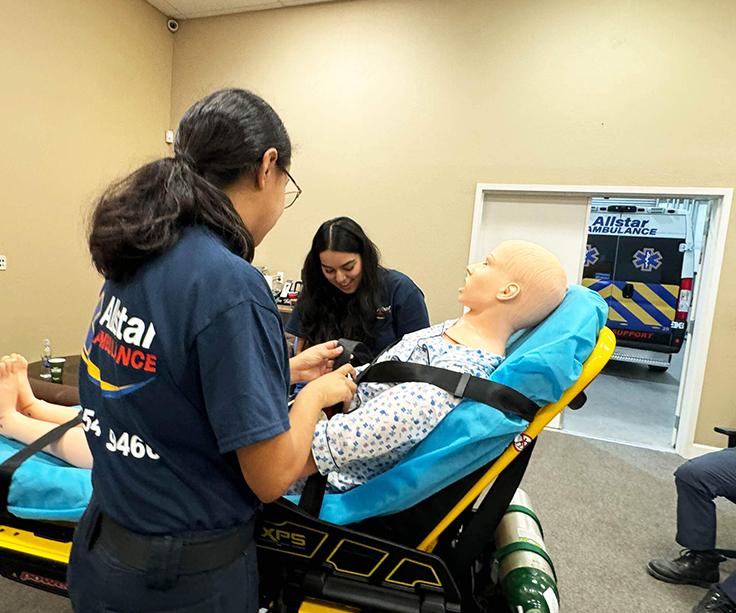
Professional transport teams are trained in proper body mechanics, transfer techniques, and the use of equipment like transfer boards, gait belts, and specialized stretchers. This training protects patients from injury and gives families peace of mind that their loved one is in capable hands.
Choosing the Right Medical Transportation Partner
When you're evaluating a medical transportation Modesto CA provider for a hospital discharge, consider asking:
- Are your EMTs trained in safe patient handling and bariatric transport?
- What equipment do you use for patients with mobility limitations?
- Can you coordinate directly with hospital discharge planners?
- What's your typical response time for scheduled and same-day transports?
- Do you serve nursing homes and private residences, not just hospitals?
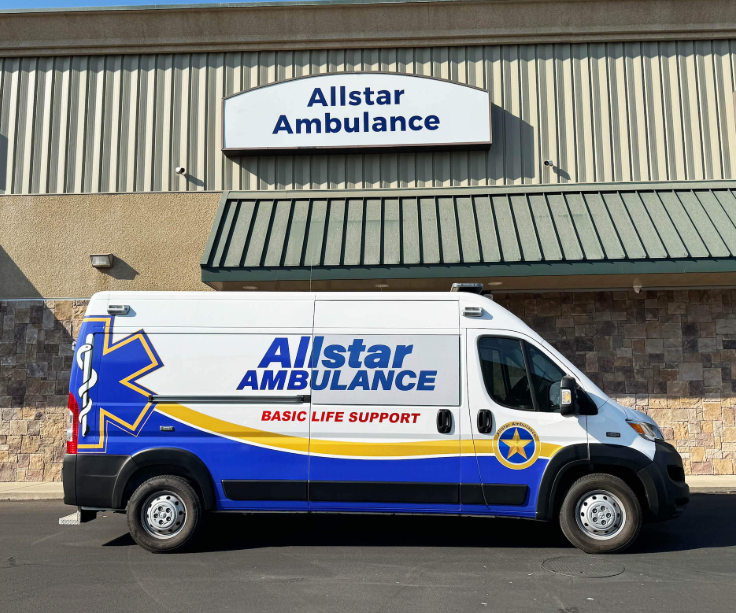
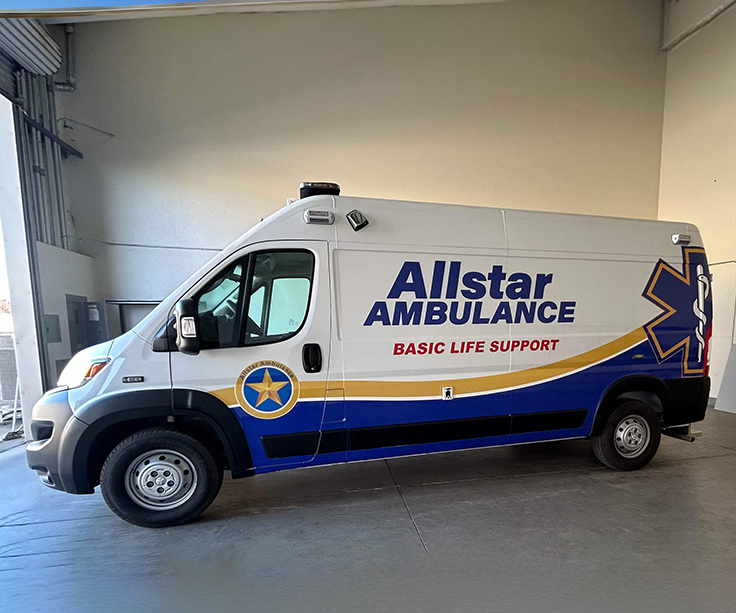
At Allstar Ambulance, we're a locally owned and operated BLS and IFT provider headquartered in Modesto, serving Stanislaus County. Our team of skilled EMTs is committed to fast response times, expert care, and a genuine connection to the community we serve whether that's a hospital transfer, a nursing home transport, or getting someone settled comfortably at home. You can request a transport or ask us questions directly whenever you're ready to plan a discharge.
Final Thoughts
A hospital discharge marks the start of recovery, not the end of care. Making sure that transition is handled safely with the right equipment, trained personnel, and thoughtful coordination can meaningfully reduce the risk of complications and readmission. If you or a loved one is preparing for discharge, don't leave the ride home to chance. Have more questions? Visit our FAQ page for additional answers, or reach out directly to start planning a safe transport home.
Frequently Asked Questions
1. What is medical transportation, and how is it different from calling 911?
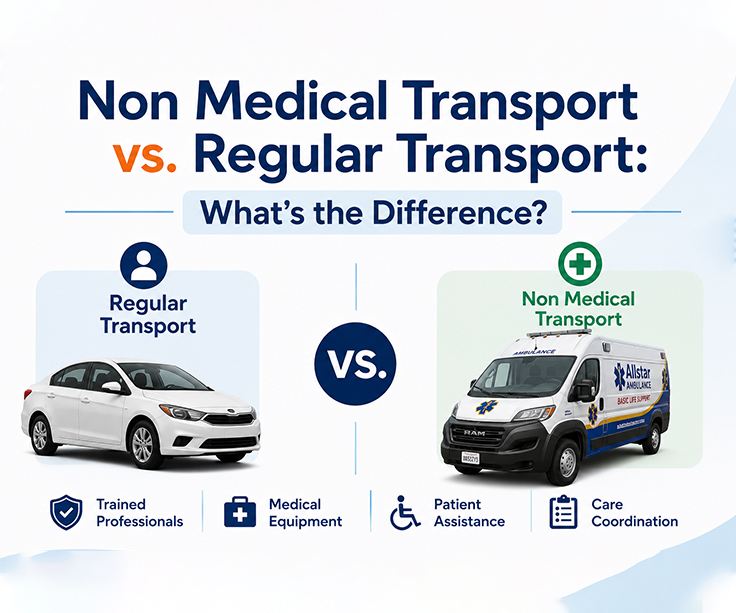
Medical transportation refers to non-emergency transport services, like BLS (Basic Life Support) and IFT (Interfacility Transport), that move patients between hospitals, nursing homes, and private residences. Unlike a 911 emergency response, these are typically scheduled or requested in advance for patients who are stable but need trained assistance and appropriate equipment to travel safely.
2. How do I know if my loved one needs professional transport for hospital discharge?
If the patient has limited mobility, recently had surgery, uses medical equipment, is at risk of falling, or is a bariatric patient, professional medical transport is generally the safer choice over a personal vehicle or rideshare. When in doubt, ask the hospital discharge planner or your transport provider for guidance.
3. Do you provide bariatric transport services near me in Stanislaus County?
Yes. Allstar Ambulance offers specialized bariatric patient transport with the appropriate equipment and trained EMTs to ensure safe, dignified transport for bariatric patients throughout Modesto and the surrounding Stanislaus County area.
4. Can medical transport help reduce the chance of hospital readmission?
Yes. Safe, supervised transport reduces the physical strain and risk of injury during the trip home, and helps ensure a smoother handoff to caregivers both of which support better recovery outcomes and can help in reducing hospital readmissions.
5. How far in advance should I schedule hospital to home medical transport?
Whenever possible, it's best to schedule 24-48 hours ahead of a planned discharge. That said, Allstar Ambulance also accommodates same-day and urgent transport needs whenever our schedule allows.
6. What areas do you serve?
Allstar Ambulance is headquartered in Modesto, CA, and proudly serves patients throughout Stanislaus County, providing hospital transfers, nursing home transport, and private home medical transport. Learn more about our team and mission.